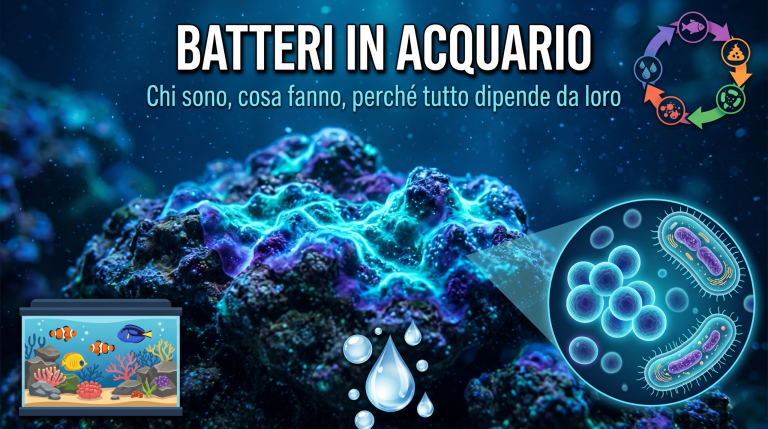
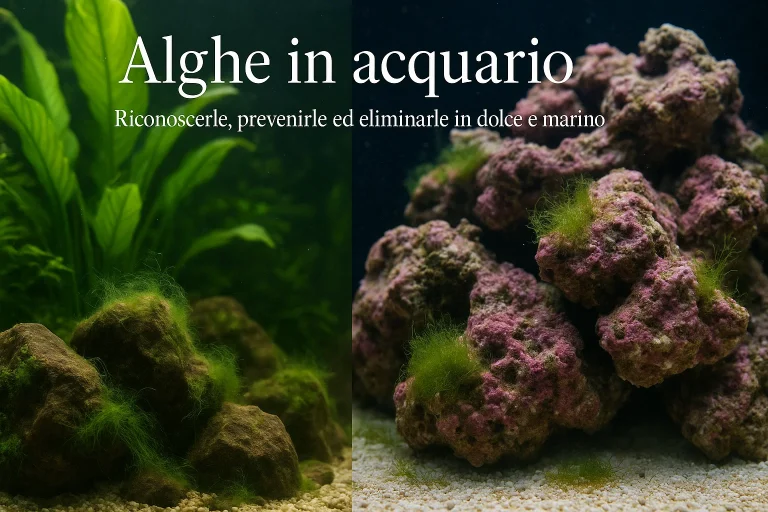
Microfauna and macroalgae in the refugium: the biological heart of the modern marine aquarium

Introduction: much more than a “separate compartment”
In the modern vocabulary of the marine aquarium hobby, the term refugium is often quoted, sometimes misunderstood, at other times underestimated. However, in its purest form and in its correct use, the refugium represents one of the most powerful and natural tools that an aquarist has available for replicating a complex, stable and autonomous marine ecosystem.
The word “refugium”, of Latin origin, literally means refuge. But in aquatic biology, this concept goes far beyond that. It is in fact a protected zone connected to the main system, physically but not biologically separate, conceived to offer optimal conditions to the microfauna, to the macroalgae and, more generally, to all those life forms that cannot survive in the main display because of competition, predation or unfavourable environmental conditions.
Structure of the refugium: functional anatomy
A refugium can take various forms, depending on the technical configuration of the aquarium. It can be:
- Integrated in the sump: the most common and flexible solution, in which a section of the sump is dedicated exclusively to the refugium.
- Hang-On-Back (HOB): a compact solution, suited to aquariums without a sump, in which a mini-tank is hung on the back of the main display.
- Internal refugium (in-tank): separate containers positioned inside the main tank, often less efficient but useful in small set-ups.
Despite the structural differences, all refugia must share some fundamental characteristics in order to work correctly:
| Element | Main Function |
|---|---|
| Dedicated lighting | Supports the photosynthesis of the macroalgae |
| Controlled water flow | Allows the exchange with the main tank without disturbing the microfauna |
| Porous substrate | Hosts bacterial colonies and supports benthic biodiversity |
| Physical separation | Prevents predators from getting in and destroying the microbial and algal population |
Note: The correct design of the refugium is not an accessory matter, but must be integrated from the outset into the overall project of the aquarium.
The ecological functions of the refugium
The refugium performs four main functions, all interconnected:
1. An oasis for the microfauna
The refugium hosts delicate and slow organisms such as copepods, amphipods, ostracods, isopods, benthic worms, which would not survive in the main tank because of the continuous predation by fish and larger invertebrates.
These microorganisms form the base of the trophic chain and offer a constant and natural source of live food for many fish and corals, increasing biodiversity and promoting more natural feeding behaviours.
2. Support for biological filtration
The live rock, the substrate and even the algae of the refugium host millions of nitrifying and denitrifying bacteria, which cooperate to transform toxic nitrogenous compounds (ammonia, nitrites, nitrates) into less harmful or assimilable forms. The refugium, therefore, acts as a biologically active zone capable of lightening the load on mechanical and chemical filtration.
3. Natural control of nutrients
The macroalgae, in particular the fast-growing varieties such as Chaetomorpha, play a central role in absorbing nitrates and phosphates, two nutrients which, if they accumulate, cause algal explosions in the main tank and put corals and fish under stress. Through regular pruning, these nutrients are literally removed from the system in a natural way.
4. Stabilisation of the pH
The refugium is often lit on an inverse photoperiod compared with the main tank. During the night hours (when the lighting in the main tank is off), switching on the lights in the refugium stimulates the photosynthesis of the algae, which in turn consumes CO₂ and releases oxygen, counteracting the natural night-time drop in pH.
Differences between the refugium and other forms of filtration
A common mistake among newcomers is to consider the refugium as a simple alternative to the biological filter or as an “algae container”.
This view is extremely reductive. Compared with a classic filtration system (a sump with a skimmer and filter media), the refugium offers an active, dynamic and complex biological filtration, which evolves over time, reacts to changes in the system and favours biological resilience.
Comparative table:
| Characteristic | Refugium | Skimmer | Hang-on-back filter (HOB) |
|---|---|---|---|
| Nutrient removal | Yes (through algae) | Yes (dissolved organics) | Limited |
| Biodiversity | High | None | None |
| Operating cost | Low (light only) | High (maintenance/consumption) | Medium |
| pH stabilisation | Yes (with inverse photoperiod) | No | No |
| Production of live food | Yes | No | No |
Its role in the design of a modern marine system
In the modern design of marine aquariums – especially those oriented towards stable, long-term reef ecosystems – the refugium is considered a fundamental component and not an optional one.
The most advanced systems include well-lit refugia in the sump, populated with selected macroalgae and inoculated with live microfauna, in order to simulate the natural dynamics of tropical coastal lagoons.
“An aquarium without a refugium is like a city without parks: chaotic, stressful and not very resilient. The refugium represents the ‘urban greenery’ of the marine aquarium.”
Conclusion: an ecosystem inside the ecosystem
The refugium is much more than a simple accessory. It is an ecological strategy, an active biological filter, a living nursery, a night-time oxygenating lung and an inexhaustible source of balance.
Integrating it into your own marine tank means embracing a more evolved and mature concept of the aquarium hobby: no longer the simple management of a tank, but the curatorship of a self-sufficient marine ecosystem.
Microfauna – The invisible engine of marine balance
The hidden world beneath the surface
When you look at a marine aquarium, your attention is often captured by the colourful fish, the pulsing corals, the play of light between live rock and currents. However, what really keeps the whole system stable and balanced moves silently and invisibly among the crevices of the substrate, inside the porous rocks and in the very heart of the refugium: we are talking about the microfauna.
This biological component, often ignored or underestimated, is in reality the pulsing nucleus of the entire domestic aquatic ecosystem, a set of organisms which, although microscopic or barely visible to the naked eye, exert an enormous influence on the parameters, the healthiness, the natural filtration and the trophic dynamics of the system.
What do we mean by “microfauna”?
The term microfauna in the marine aquarium hobby refers to all those living organisms that are not easily visible to the naked eye (microscopic or sub-millimetric), which populate live rock, substrates, macroalgae, water columns and biological interstices.
These organisms belong to numerous different classes and phyla. Among the most relevant we find:
| Type of Microfauna | Average size | Main ecological function |
|---|---|---|
| Copepods | 0.2 – 2 mm | Decomposers, live food for fish and corals |
| Amphipods | 2 – 5 mm | Detritivores, bioturbation of the substrate |
| Isopods | 1 – 3 mm | Scavengers, some predators of microdetritus |
| Ostracods | 0.1 – 1 mm | Passive filter feeders |
| Benthic worms | 0.5 – 10 mm | Aeration of the substrate, organic degradation |
| Rotifers | 0.05 – 0.5 mm | Food for coral and fish larvae |
This complex microscopic food web contributes to the ecological function of the entire aquarium, with a direct and measurable impact on the quality of the water, on the health of the system and on the efficiency of the refugium.
The key functions of the microfauna
a) Continuous live food
Copepods, for example, represent one of the main food sources for planktivorous fish and LPS/SPS corals. Their presence in the refugium allows a natural and constant distribution of live prey into the main tank, especially if the refugium is designed to guarantee a gentle and controlled flow.
✳️ Fish such as mandarins, synchiropus, gobies, but also anthias and small wrasses, gain immense benefits from a live population of copepods.
b) Active biological filtration
The microfauna consumes detritus, organic residues, bacterial biofilms, and even microalgae. It acts as a “biological cleaning team” 24 hours a day, contributing to the control of nutrients in a way that complements the skimmer and the macroalgae.
c) Bioturbation of the substrate
Worms, amphipods and small crustaceans dig, stir and oxygenate the substrate of the refugium, preventing the formation of anoxic zones and favouring the exchange between nitrifying and denitrifying bacteria, making the nitrogen cycle more efficient.
d) Trophic and bacterial balance
Their presence keeps the bacterial populations in balance, preventing the uncontrolled proliferation of pathogenic strains. In essence, the microfauna regulates the microbiota of the aquarium, acting as an “invisible ecological curator”.
Where does the microfauna develop in the refugium?
- Fine sand or biological muds: ideal environments for benthic worms and benthic copepods.
- Masses of macroalgae: they offer shelter and an ideal surface for epiphytic organisms.
- Live rock and porous substrates: they host interstitial colonies and stable long-term microfauna.
- Low-energy water column: suspended particles that act as vectors of movement.
A well-established refugium, rich in biodiversity, can host hundreds of thousands of microfaunal organisms, continuously reproducing and migrating.
Note: A healthy population of microfauna regenerates itself, but it must be constantly fed by detritus and natural biofilms. A sterile refugium, one that is too clean or badly designed, kills the ecological potential of this biomass.
How to introduce and maintain the microfauna
Methods of initial inoculation:
- Live starter cultures that can be bought online or from experienced enthusiasts.
- Inocula from mature live rock: among the richest and most varied sources.
- Indirect importation from macroalgae bought fresh from other aquarists.
📈 Ideal conditions for development:
| Factor | Optimal for microfauna |
|---|---|
| Temperature | 23–25 °C |
| Water flow | Slow, laminar |
| Photoperiod | 8–14 hours (macroalgae) |
| Absence of predators | No fish or shrimp in the refugium |
Practical box:
To keep the copepod population alive:
- Put in a mass of live Chaetomorpha
- Avoid strong direct flows
- Never siphon the bottom of the refugium
- Feed indirectly with live or powdered phytoplankton 1-2 times a week
Common mistakes in managing the microfauna
| Mistake | Consequence |
|---|
| No lighting | Macroalgae do not grow → habitat destroyed |
| Excessive flow | Copepods and rotifers swept away |
| No live sand | No refuge for benthic organisms |
| No initial inoculum | Sterile and biologically inactive refugium |
| Siphoning of the bottom | Unintentional elimination of the fauna |
Monitoring and signs of vitality
Although the microfauna is small, there are some clear signals that indicate a healthy population:
- The presence of moving white dots visible with blue light or a torch (especially at night)
- Rapid growth of macroalgae and biofilm
- Corals with well-extended polyps (if fed by the copepods)
- Planktivorous fish that are more active and well fed
- Absence of excessive organic accumulations in the refugium
Conclusion: the base of the ecological pyramid
Without a live, active and diversified microfauna, the biological balance of a marine aquarium is incomplete. The refugium, thanks to its functional separation and ecological protection, represents the ideal environment for its development and maintenance.
For this reason, every marine aquarium that aspires to long-term ecological stability should include a microfauna management strategy, treating it not as a side effect, but as a vital, fundamental and strategic resource.
Macroalgae – living filters of the marine aquarium
Introduction: much more than simple “green algae”
In the world of the marine aquarium, macroalgae are often perceived in an ambivalent way: on the one hand, they are considered pests or untidy, on the other, they become decorative elements in dedicated tanks such as marine planted tanks. However, when placed inside a well-designed refugium, macroalgae take on an essential technical role, comparable in importance to that of the skimmer or the live rock. They become living filters, pH stabilisers, nutrient absorbers and architects of ecological microhabitats.
This chapter is entirely dedicated to the ecological, practical and strategic functions of macroalgae in the refugium, in particular in modern reef systems that aim at maximum biological self-sufficiency.
What are macroalgae?
Macroalgae are multicellular marine plant organisms, visible to the naked eye, belonging to various taxonomic classes. They are distinguished from microalgae by their size and complex structure, and they are not true “plants” in the traditional botanical sense, but photosynthetic autotrophic organisms belonging to the kingdom Protista.
Unlike pest filamentous algae (e.g. Bryopsis, Derbesia), the macroalgae of the refugium are cultivated intentionally for their ecological benefits.
The main varieties for the refugium:
| Genus | Characteristics | Pros |
|---|---|---|
| Chaetomorpha | Filamentous, not invasive | Rapid growth, easy to prune, does not sporulate |
| Caulerpa | Fronded, rhizomatous | Very high nutrient absorption |
| Gracilaria | Red, branched | Excellent for aesthetics and live food |
| Halimeda | Calcareous, rigid | Increases the pH, slow growth |
| Ulva | Laminar, green leaves | Fast growth, habitat for copepods |
Focus: Chaetomorpha linum
Chaetomorpha is the macroalga most used in modern refugia thanks to its ideal properties:
- It does not attach itself to substrates or rocks
- It does not release toxins
- It is odourless
- It grows quickly if lit correctly
- It provides a surface for bacterial colonies and microfauna
- It is easy to prune, allowing the physical removal of the accumulated nutrients
🔎 Biological curiosity: the growth of Chaetomorpha takes place by apical growth, it has no roots or true leaves, and each filament is technically a single multinucleate cell.
Biological and technical functions of macroalgae
a) Active absorption of nutrients
Macroalgae are active users of nitrates (NO₃⁻) and phosphates (PO₄³⁻). During photosynthesis, they incorporate these nutrients into their cellular biomass, reducing the concentration of pollutants in the water.
| Nutrient removed | Source in the aquarium | Effects if accumulated |
|---|---|---|
| Nitrates (NO₃⁻) | Decomposition of proteins, food | Growth of pest algae, coral stress |
| Phosphates (PO₄³⁻) | Food, detritus, base rock | Algal competition, drop in SPS growth |
b) Regulation of night-time pH
During the photoperiod of the refugium (often inverse to that of the main tank), the macroalgae photosynthesise, absorbing CO₂ and producing oxygen. This stabilises the pH during the night hours, reducing the acid swing that normally occurs in aquariums that lack this function.
| Time | Main Tank | Refugium | pH Effect |
|---|---|---|---|
| Day | ON | OFF | Stable pH |
| Night | OFF | ON | Stabilised pH, less CO₂ |
c) Habitat for microfauna and biofilm
Macroalgae offer an ideal three-dimensional substrate for copepods, rotifers and beneficial bacteria. This allows the establishment of natural trophic chains, which increase the functional biodiversity of the aquarium.
How to grow macroalgae in the refugium:
Minimum technical requirements:
| Factor | Recommended parameters |
|---|---|
| Lighting | LED 6500K–10,000K, 30–50 PAR |
| Photoperiod | 10–14h a day (inverse recommended) |
| Water flow | Medium, with light turbulence |
| Available nutrients | Nitrates > 1 ppm, Phosphates > 0.03 ppm |
⚠️ Warning: without nutrients, macroalgae collapse, they release what they have accumulated and they damage the tank. They must never be “starved”.
Practical box – Growing Chaetomorpha
- Put in a ball at least 10 cm in diameter in a compartment with direct light.
- Use a high-output LED (at least 30 W).
- Turn the mass by hand 2-3 times a week to avoid stagnation and asymmetrical growth.
- Prune every 10–15 days, removing 30–40% of the volume.
Pruning and management: removing the nutrients physically
Pruning is the real heart of the process of nutrient export. When plant biomass is removed, the absorbed nitrates and phosphates are carried away with it.
| Chaetomorpha biomass pruned | Nitrates removed (estimate) | Phosphates removed (estimate) |
|---|---|---|
| 100 g | ~7 mg | ~1.5 mg |
| 300 g | ~20 mg | ~4.5 mg |
This approach is totally natural and reduces the need for chemical resins or lanthanum.
Chemical interactions and ecological considerations
Some macroalgae (in particular Caulerpa) can release secondary metabolites and toxins during stress or sporulation, a phenomenon that makes them riskier in delicate systems. For this reason, the use of a non-invasive and stable variety such as Chaetomorpha linum is recommended.
“The right macroalga in the right refugium, lit in the right way, is worth as much as a skimmer costing twice as much.”
Conclusion: plant allies in an animal world
Macroalgae, far from being an ornamental element or a nuisance, are load-bearing columns of a balanced aquatic ecosystem. They work as a living filter, a source of refuge, a chemical balancer and a vector of biodiversity.
Growing and consciously managing macroalgae in the refugium allows the experienced aquarist to govern the biological cycles of the aquarium with natural precision, perfectly integrating biology, chemistry and technique.
The perfect symbiosis – Microfauna + macroalgae in the marine refugium
Introduction: two kingdoms, a single ecological objective
When people talk about symbiosis, they often think of the classic marine examples: the clownfish and the anemone, the gobies and the pistol shrimps. However, one of the most powerful and silent symbioses in a well-designed marine aquarium takes place between two apparently distinct but deeply interconnected worlds: the animal microfauna and the plant macroalgae. This relationship, inside the refugium, creates a complete ecological synergy, capable of regulating, filtering, feeding and stabilising the entire ecosystem.
In this chapter we will analyse the mechanisms of interaction, the ecological dynamics, the systemic advantages and the technical elements to be optimised in order to get the most out of this natural symbiosis.
Ecological interaction between microfauna and macroalgae
a) The macroalgae create the habitat, the microfauna populates it
Macroalgae, in particular Chaetomorpha, develop an intricate three-dimensional mass that perfectly simulates natural marine meadows. This structure offers:
- A resting surface for copepods, rotifers and worms
- Shade and protection from excessive flows
- Access to algal biofilms, on which many organisms feed
- A low-predation zone, thanks to the isolation from the main display
In their turn, the micro-organisms use the algal mass to take refuge, feed, reproduce and complete their life cycle.
b) The microfauna fertilises the macroalgae
Every living organism, even the smallest, releases metabolites, nitrogen, phosphorus and micro-elements. Copepods and amphipods, through the decomposition of detritus and biofilm, release nutrients that are absorbed directly by the macroalgae, improving their growth.
⚖️ Mutualistic relationship:
The macroalgae offer refuge → The microfauna feeds the algae indirectly → The algae grow → They produce more surface → The microfaunal population increases → A stable ecosystem.
Trophic model and energy dynamics
In a mature refugium, an internal food web in miniature is established:
- Detritus and uneaten food enter the refugium (deliberately or by passive flow)
- The decomposing bacteria transform the organic material into nutrients
- The macroalgae absorb these nutrients and grow
- The copepods and other invertebrates feed on biofilm, bacteria and epiphytic algae
- The microfaunal biomass is partly exported towards the main tank
- The planktivorous fish consume the copepods → the cycle is complete
This process integrates the refugium into the natural food chain of the aquarium, making it a system of internal production of nutrients and controlled biomass.
Impact on the main tank
The synergy between microfauna and macroalgae does not remain confined to the refugium, but has measurable effects on the main tank.
Direct benefits:
| Aspect | Improvement thanks to the symbiotic refugium |
|---|---|
| Feeding | Constant availability of natural live food |
| Chemical stability | Continuous export of nutrients, less accumulation |
| Biodiversity | Migration of copepods and microorganisms |
| Coral growth | Support for heterotrophic nutrition |
| Ecological resilience | Self-sufficient ecosystem, fewer chemical shocks |
Practical example:
In a system with SPS (Small Polyp Stony) corals, the constant feeding provided by the microfauna supports the colouration and the growth of the polyps, reducing the need for artificial liquid foods or protein additives.
How to encourage this symbiosis
To obtain a real interaction between fauna and flora in the refugium, it is necessary to create the right conditions:
Optimal layout:
- Macroalgae in the centre, left free to form a dense but breathable mass
- Live rock at the sides or underneath, acting as bacterial “hubs”
- Fine sandy substrate, 2-3 cm thick, for the worms and the benthos
- Laminar flow, not direct, to prevent the fauna from being swept away
Practical measures:
- Do not put fish, shrimps or hermit crabs in the refugium
- Feed the microfauna indirectly with liquid or powdered phytoplankton
- Use intense and correct light (6500K – 10,000K) to favour algal photosynthesis
- Never siphon the benthic zone: it is the biological heart of the system
Example of integrated trophic cycling
| Phase | Biological process |
|---|---|
| 1 | Administration of food in the tank |
| 2 | The excess reaches the refugium |
| 3 | Bacteria and microfauna decompose the material |
| 4 | The macroalgae absorb nitrates and phosphates |
| 5 | The microfauna feeds on algal biofilms |
| 6 | Some copepods migrate into the main tank |
| 7 | Fish and corals feed → the cycle is closed |
Time: the key element of the synergy
A real synergy is not born in a few days. It requires:
- An initial inoculum of microfauna
- The introduction of the macroalgae
- At least 3–6 weeks of maturation of the refugium
- Continuous management, without destructive interventions
After this period, the growth of the algae accelerates, the copepod population explodes and a self-sufficient system gets under way, very similar to a natural tropical lagoon.
Risks and possible imbalances
Even a well-functioning synergy can be disrupted:
| Mistake | Effect |
|---|---|
| Too much pruning | Reduction of copepod habitat |
| Lights too weak | Algal collapse, release of nutrients |
| Introduction of predators | Microfauna destroyed |
| Refugium too sterile | No active trophic cycle |
Conclusion: a microcosm that regulates the macrocosm
The symbiosis between microfauna and macroalgae is not a simple functional pairing, but a deep mutualistic relationship, capable of transforming the refugium from a technical zone into the true biological heart of the aquarium.
By promoting this synergy, the aquarist does not limit themselves to “managing” an aquarium, but creates and orchestrates a living, resilient and intelligent ecosystem, where every element contributes to the general stability.ù
Designing an effective refugium – Dimensions, layout, lighting and flow
The refugium is not just a container, but a designed ecosystem
In many marine systems, the refugium is added as a secondary addition, almost as an aesthetic optional or a container for algae. This approach, however, dramatically limits the biological potential that the refugium can offer. Careful design is what distinguishes a sterile refugium from a strategic one, capable of filtering biologically, feeding the system, hosting biodiversity and stabilising the chemical balance.
In this chapter we will analyse how to design a truly effective refugium, considering dimensions, physical layout, materials, type of macroalgae, inoculation of the microfauna, lighting and water flow. Every element will be dealt with in detail with practical indications, real examples and technical considerations.
5.1 Size matters: how big must a refugium be?
🔎 Common question: “How big does my refugium have to be to be useful?”
The answer depends on various factors, but in general the bigger the better. A good refugium should ideally take up at least 10–20% of the volume of the main tank, although there are extremely effective examples with only 5%.
Practical examples:
| Volume of the Main Tank | Minimum Recommended Refugium Volume |
|---|---|
| 100 litres | 10–20 litres |
| 300 litres | 30–60 litres |
| 500 litres | 50–100 litres |
Internal layout: designing for biodiversity
A refugium is not just a container of water. It is a complex habitat, with different ecological zones. The layout should provide different stratifications to host bacteria, algae, copepods, worms and other organisms.
Optimal composition:
| Zone | Main Function | Recommended materials |
|---|---|---|
| Bottom | Refuge for benthic worms and anaerobic bacteria | Fine aragonite sand, 2–3 cm |
| Live rock in the centre | Surface for nitrifying bacteria | High quality porous rock |
| Upper algal zone | Hosts macroalgae and epiphytic microfauna | Chaetomorpha or Gracilaria |
| Side walls | Biofilm, climbing copepods | Free surface, avoid opaque glass |
Suggestion:
Dividing the refugium into two functional sections, one for the macroalgae (lit) and one for the biological substrates (shaded), can double the ecological efficiency.
Lighting: light is life
Macroalgae are photosynthetic organisms. In order to grow, they need intense, constant and specific lighting, comparable to that used for soft corals. A very common mistake is to use cheap and weak lamps, with disappointing results.
📊 Recommended parameters:
| Characteristic | Recommended value |
|---|---|
| Light spectrum | 6500K – 10,000K |
| PAR intensity | 30–50 µmol/m²/s |
| Photoperiod | 10–14 hours/day |
| Mode | Inverse to the main tank |
In depth:
Inverse photoperiod means that the refugium is lit while the main tank is off, generally at night. This:
- Reduces the night-time pH swing
- Maximises the use of light energy
- Balances the production of oxygen/CO₂ between the two systems
The water flow: neither too much nor too little
The flow in the refugium must be constant but not turbulent. A flow that is too strong sweeps the microfauna away, prevents the algae from taking hold and prevents the development of biofilm. One that is too weak leads to stagnation, accumulations and anoxic environments.
| Factor | Recommended value |
|---|---|
| Water turnover | 3–6x/hour of the volume of the refugium |
| Type of flow | Laminar or slightly turbulent |
| Direction | Horizontal or gently rotational |
Practical suggestions:
- Use a dedicated pump with a controller to manage the flow precisely
- Avoid jets directed at the algae
- Position the output of the refugium so that the fauna can migrate passively into the sump or the main tank
Other essential elements in the design
a) Isolation from predators
The refugium must be completely isolated from fish, shrimps, crabs and hermit crabs. Even a small predator can wipe out the microfauna within a few days.
b) Convenient access
The maintenance of the refugium is fundamental. It must be easily accessible, able to be lit for observation and convenient for pruning the algae.
c) Temperature control
Being often placed in the sump, the refugium can be affected by the heat of the pumps or of the light. Maintaining a stable temperature (23–25 °C) is crucial for the health of copepods and algae.
Common mistakes in the design
| Mistake | Consequence |
|---|---|
| Refugium too small | Negligible chemical impact |
| Weak or wrong lighting | Algae that do not grow, release of nutrients |
| Flow too strong | Fauna expelled, algae damaged |
| No substrate or rocks | Lack of biological support |
| Frequent siphoning | Microfauna unintentionally eliminated |
A real example: a successful mature refugium (300-litre tank)
- Refugium volume: 45 litres
- Lighting: LED 6500K, 40 W, 14h inverse photoperiod
- Macroalga: Chaetomorpha (initial inoculum 150g)
- Microfauna: inoculated with a live culture of copepods and amphipods
- Flow: 250 l/h pump with digital control
- Substrate: 3 cm of live sand, 3 porous rocks with a high BR
Result after 3 months:
- Macroalgae grown by 400%
- Copepods visible every night
- Nitrates stable at 1.5 ppm
- Phosphates under control (0.04 ppm)
- SPS corals visibly more extended
- No need for chemical resins
Conclusion: design as the foundation of success
An effective refugium is not improvised. It must be planned as an integral part of the marine system, with the objective not only of containing algae or copepods, but of creating a subsidiary ecosystem, capable of actively sustaining and improving the life in the main tank.
Investing in the design of the refugium means guaranteeing the longevity of the system, reducing management costs and replicating at home the regulatory mechanisms of natural marine habitats.
Lighting, photoperiod and flow – Balancing the energy of the refugium
Light, time and movement – the three invisible pillars of the refugium
A successful refugium is not just a question of algae and copepods. At the base of its balance and its productivity there is a technical trinity that is often underestimated: lighting, photoperiod and water flow. These three factors directly influence:
- the growth of the macroalgae,
- the health of the microfauna,
- the stability of the nutrients,
- the regulation of the pH,
- and the entire ecological metabolism of the system.
The light and kinetic energy (flow) that enters the refugium must be dosed, directed and synchronised with the biological rhythm of the aquarium, in order to transform a simple technical zone into a natural biological engine.
Lighting: the primary source of biological energy
The light for the refugium is not an optional, but a genuine photosynthetic power station. Good lighting is what allows the macroalgae to grow and absorb nutrients, while at the same time sustaining the epiphytic microfauna.
Which light to choose?
| Type of light | Pros | Cons |
|---|---|---|
| Full spectrum LED (6500–10,000K) | High efficiency, long life, targeted spectrum | Initial cost |
| CFL (compact fluorescent) | Cheap, easy to find | Limited life, low PAR |
| T5 specific for algae | Good penetration | Bulky, high heat |
| Horticulture spot (Grow Light) | Excellent for Chaetomorpha | Can cause unwanted growth if badly calibrated |
Intensity and spectrum
| Parameter | Optimal value for macroalgae |
|---|---|
| PAR (Photosynthetically Active Radiation) | 30–70 µmol/m²/s |
| Dominant spectrum | Neutral white + blue peak (450 nm) |
| Colour temperature | 6500K – 10,000K |
| Daily cycle | 10–14 hours a day |
Note: A 30–40W full spectrum LED lamp, placed at a distance of 20–30 cm, is capable of making Chaetomorpha grow by 50% in two weeks, if an adequate level of nutrients is present.
The photoperiod: the heart of pH balancing
One of the most elegant aspects of managing a refugium is the inverse photoperiod, a technique that is by now well established in professional marine aquariums.
What is the inverse photoperiod?
It means that the lights of the refugium come on when the main tank is in darkness, typically during the night hours.
| Time | Main Tank | Refugium | Effect |
|---|---|---|---|
| 08:00 – 20:00 | ON | OFF | Photosynthesis in the tank |
| 20:00 – 08:00 | OFF | ON | Photosynthesis in the refugium, stabilises the pH |
Main advantages:
- Stabilisation of the night-time pH
- When the lights of the tank go off, the corals and the algae stop photosynthesising, the CO₂ increases and the pH drops.
- The night-time lighting of the refugium keeps photosynthesis active → the CO₂ is consumed → the pH stays stable.
- Energy optimisation
- It balances the electrical and thermal load between day and night.
- It reduces the risk of overheating.
- Continuous production of oxygen
- Beneficial for microfauna and aerobic bacteria.
🎓 Opinion: “The inverse photoperiod is one of the least invasive and most powerful tools for chemically stabilising an advanced reef system.”
The water flow: shaping the microclimate of the refugium
The movement of the water in the refugium has a direct impact on:
- the distribution of the microfauna
- three-dimensional algal growth
- the exchange of nutrients
- the avoidance of anaerobic stagnation
What is the ideal flow?
| Parameter | Recommended value |
|---|---|
| Turnover | 3–6 times/hour of the volume of the refugium |
| Type | Laminar or lightly turbulent |
| Direction | Horizontal or circular |
Common techniques:
- Dedicated low-flow pumps: ideal for maintaining a constant but non-destructive movement.
- Passive overflow from the tank: it uses gravity to feed the refugium, with a return to the sump.
- Adjustable bypasses: a branch off the delivery line with a valve to meter the flow rate.
Warning:
A flow that is too violent:
- Destroys the structure of the algae
- Sweeps away copepods and useful detritus
- Prevents the establishment of biofilm
A flow that is too weak:
- Causes stagnation
- Favours organic accumulations and anoxic areas
- Slows down the turnover of nutrients
Balanced solution:
- Insert barriers or deflectors that break up the direct jet
- Use macroalgae as natural breakwaters
- Create gentle vortices inside the chamber of the refugium
Optimisation through intelligent instruments
Today there are WiFi controllers and digital timers that allow:
- The automatic management of the photoperiod
- PAR monitoring with optical probes
- The regulation of the flow according to the day/night cycles
- Integration with a mobile app or Apex/GHL systems
Recommended technologies:
| Device | Function |
|---|---|
| Smart WiFi timer | Automation of the refugium lights |
| Pump with DC controller | Dynamically adjustable flow |
| pH sensor with data logging | Analysis of the real impact of the inverse photoperiod |
| PAR probes or Luxmeter | Optimisation of spectrum and intensity |
Signs of a light/time/flow imbalance
| Symptom | Possible cause |
|---|---|
| Macroalgae discoloured or at a standstill | Light too weak or wrong spectrum |
| Explosive but unstable algal growth | Excessive photoperiod without nutrients |
| Copepods absent | Excessive flow or stressful lighting |
| Organic accumulations on the bottom | Flow too weak |
| Fluctuating pH values | Wrong photoperiod or insufficient algal biomass |
Integration of light, flow and time in the design
A perfect example of synchronisation:
- 40-litre refugium in the sump
- Lighting: full spectrum LED 36W, 6500K, 13 hours a day (20:00–09:00)
- Flow: DC pump controlled at 250 L/h
- Macroalgae: Chaetomorpha on a bed of live sand
- Microfauna: Copepods and amphipods visible every night
Result:
- Stability of the night-time pH (max fluctuation ±0.05)
- Nitrates stable at 1.8 ppm
- Phosphates constant at 0.04 ppm
- Chaetomorpha doubled every 14 days
- Microfauna well distributed and actively reproducing
6.7 Conclusion: orchestrating photosynthesis and flow for a perfect refugium
The refugium is a biological machine, but like every machine, it needs regulated energy. Light (photonic energy), time (biological cycle) and flow (kinetic energy) must be harmonised with each other, exactly as happens in real marine ecosystems.
Anyone who manages to master these three parameters can:
- Grow macroalgae sustainably
- Host a live and thriving microfauna
- Stabilise the system without artificial interventions
- Reduce chemical and biological shocks
Remember: “Light feeds, time regulates, flow distributes. The perfect refugium is born from the balance between these three elements.”
Monitoring the parameters and managing the nutrients in the refugium
The refugium is a bio-reactor, not a closed box
A common conceptual mistake among aquarists — even experienced ones — is to treat the refugium as a separate technical compartment, whose activity takes place “without any return”, without control. In reality, the refugium is an active biological reaction chamber, where every process is influenced, guided and regulated by very precise parameters.
In this chapter, we will concentrate on how to monitor, interpret and optimise the most relevant chemical, physical and biological parameters in a marine refugium. The objective is not just to keep the refugium “active”, but to transform it into a precision instrument for the management of nutrients in complex tanks, in particular reefs with sensitive SPS/LPS corals.
Which parameters should be monitored in the refugium?
The function of the refugium is to host filtering organisms (macroalgae, microfauna, bacteria) and to absorb nutrients (above all nitrates and phosphates). In order to do this effectively, the following must be constantly under control:
Key parameters to monitor:
| Parameter | Ideal range in the refugium | Function |
|---|---|---|
| Nitrates (NO₃⁻) | 1 – 5 ppm | Food for macroalgae and bacteria |
| Phosphates (PO₄³⁻) | 0.02 – 0.08 ppm | Essential for photosynthesis |
| KH (Alkalinity) | 7 – 10 dKH | Biological stability / Growth |
| pH | 8.0 – 8.3 | Optimal for algal photosynthesis |
| Temperature | 23 – 25 °C | Biological comfort zone |
| Redox | 300 – 400 mV | Oxidative stability |
| Light PAR | 30 – 70 µmol/m²/s | Macroalgal growth |
Technical note: The refugium is not a chemical reactor, but a biological system dependent on balance. Too many fluctuations = stress for the fauna and collapse of the macroalgae.
How to measure the nutrients correctly?
a) Nitrates
- Precision colorimetric tests (e.g. Salifert, Red Sea Pro): suitable for advanced hobbyists.
- Digital photometers (Hanna): ideal for frequent and comparable measurements.
b) Phosphates
- Liquid reagent tests reliable from 0.02 ppm upwards.
- Low-scale photometers (Hanna Phosphorus ULR): recommended in SPS environments.
Recommended frequency:
| Parameter | Initial phase (first 4–6 weeks) | Mature system |
|---|---|---|
| NO₃⁻ | 2x/week | 1x/week |
| PO₄³⁻ | 2x/week | 1x/week |
| pH | 1x/day (or continuous monitoring) | continuous (recommended) |
| PAR | 1x/month | 1x/month |
How to read the signals of the refugium
The macroalgae and the microfauna offer precise signals about the health of the system:
Macroalgae:
| Symptom | Probable Cause | Solution |
|---|---|---|
| Slow / blocked growth | Weak light / nutrient shortage | Increase PAR or dose NO₃⁻ |
| Yellowing | Deficiency of iron or potassium | Targeted supplements |
| Sudden disintegration | Collapse due to wrong night lighting / shortage | Reduce the photoperiod, monitor |
| Excess epiphytic algae | PO₄ too high or low competition | Prune, improve the flow |
Strategies for the management of nutrients
A mature and active refugium can regulate NO₃⁻ and PO₄³⁻ without the use of resins, boosted skimmers or carbons.
Approach 1: Plant export
The biomass of the macroalgae, if pruned regularly, physically removes accumulated nutrients.
| Algae pruned (g) | NO₃ removed (estimated mg) | PO₄ removed (estimated mg) |
|---|---|---|
| 100 g | 6–8 mg | 1–2 mg |
| 300 g | 18–24 mg | 3–6 mg |
| 500 g | 30–40 mg | 5–10 mg |
Interaction with other components of the system
The refugium does not operate in isolation. All the parameters influence each other:
| Component | Impact on the refugium |
|---|---|
| Skimmer | Reduces the nutrients → can limit algal growth |
| Calcium reactor | Increases KH and Ca → favours the growth of Halimeda |
| Mechanical filtration | Can take detritus away from the microfauna |
| Automatic dosing | If badly calibrated, it alters the NO₃ / PO₄ balance |
Best practice and recommended routines
📅 Weekly monitoring routine:
- 📏 Measure NO₃⁻ and PO₄³⁻
- 🔍 Observe the density of the macroalga (weekly photographic comparison)
- 🌿 Check the presence of copepods (blue light at night)
- 🧪 Check the pH at 04:00 (minimum value)
- ✂️ Prune 20–30% of the Chaetomorpha if the growth is vigorous
📈 Digital tracking:
- Use a Google Sheet or an aquarium App to keep a weekly historical log.
- Record the following data:
- Quantity of algae pruned (grams)
- NO₃⁻ / PO₄³⁻ / pH values
- Light intensity (optional with a PAR meter)
- Visible variations in the fauna
Common mistakes in the management of the parameters
| Mistake | Impact |
|---|---|
| Removing too much biomass at once | Sudden release of nutrients |
| Ignoring the nutrients when they are “too low” | Macroalgal growth stops, stress for the fauna |
| Using too many quick tests without confirmation | Wrong decisions |
| Neglecting the night-time fluctuations of the pH | Metabolic swings in corals and fauna |
Expert opinion: “A stable refugium is like a sailing boat in balance with the wind. You do not push it with force, you adjust it with precision.”
Conclusion: the biochemistry of the refugium in the hands of the aquarist
Anyone who manages a refugium methodically not only improves the health of the aquarium, but transforms their own system into an adaptive ecosystem, capable of preventing imbalances, resisting shocks and self-balancing over time.
Monitoring is not a bureaucratic burden, but an alliance between data and observation, between numbers and biology. Knowing the impact of your own interventions means governing the aquarium, not being subject to it.
Effects of the refugium on fish and corals – Nutrition, behaviour, long-term stability
The invisible refugium that feeds visible life
Sometimes, people concentrate so much on the aesthetics of the main display that they forget that the ideal conditions for fish and corals are not created in the visible tank, but behind the scenes – in the refugium.
A mature, well-designed and populated refugium is not just a biological filter, but an active source of nutrition, hormonal balance, natural behaviour and environmental stability for all the fauna present in the main tank.
In this chapter we analyse the real impact of the refugium on fish and corals, both from the nutritional point of view and from the behavioural, ecological and even immunological one. We will understand why a well-functioning refugium can improve the colouration of SPS corals, reduce aggressiveness in fish and contribute to the keeping of complex species.
Continuous natural nutrition for planktivorous fish
Many marine fish in the wild feed exclusively or mainly on live plankton, including copepods, amphipods, rotifers, ostracods and other small crustaceans.
Fish that benefit directly from the refugium:
| Species | Type of nutrition | Benefit from the refugium |
|---|---|---|
| Synchiropus splendidus (Mandarin) | Benthic planktivore | Survives only in tanks with microfaunal refuges |
| Pseudochromis spp. | Micro-predator | Feeds actively on the fauna that migrates from the refugium |
| Anthias spp. | Pelagic planktivore | Copepods from the refugium increase foraging behaviour |
| Chromis viridis | Planktivorous omnivore | Increased vitality and less aggressiveness |
| Planktivorous gobies | Benthopelagic | Supplementary food improves survival |
Note: In tanks without a refugium, these species require daily doses of phytoplankton, freeze-dried or frozen zooplankton, with a consequent risk of organic accumulation.
With an active refugium:
- The food is constant, natural, of low environmental impact
- It does not require direct daily intervention
- The fish show natural hunting behaviours
SPS and LPS corals: impact on growth and colouration
Corals are not just passive filter feeders: many of them feed actively.
Modes of coral nutrition:
- Direct absorption of nutrients (NO₃⁻ / PO₄³⁻) → photosynthesis of the zooxanthellae
- Planktonic capture → suspended particles: copepods, rotifers, bacteria
- Uptake of DOM (Dissolved Organic Matter) → microbial residues
Benefits of an active refugium:
| Coral | Type | Observed benefit |
|---|---|---|
| Acropora spp. | SPS | Greater extension of the polyps, increase in apical growth |
| Montipora spp. | SPS | More saturated colours, fewer reactions to nutrient swings |
| Euphyllia spp. | LPS | More expanded tentacles, evident heterotrophic nutrition |
| Blastomussa spp. | LPS | Greater night-time opening thanks to the presence of zooplankton |
| Goniopora spp. | Sensitive LPS | Reduction in cases of chronic closure |
Social behaviours in fish: less stress, more naturalness
The social behaviours of marine fish are often altered in poor environments, without natural food or biochemical stimuli. The refugium can correct many of these dysfunctions.
Positive behaviours associated with the refugium:
- Active foraging: in particular for shy fish such as mandarins or gobies
- Improvement of social hierarchies: the constant presence of food reduces competition and aggressiveness
- Stimulated reproduction: some fish spawn only in environments with plankton available for the offspring
- Reduction of stress: a more stable pH value thanks to the inverse photoperiod
Immunological stability and resistance to stress
One of the most underestimated benefits of the refugium is its ability to contribute to the immunological stability of the system.
How does it work?
- Microfauna = competition with pathogens
Beneficial organisms prevent anomalous bacterial proliferation - Constant nutrition = more efficient immune response
Well-fed fish show better resistance to disease - Stable pH = fewer physiological shocks
Fluctuations in pH are one of the leading causes of chronic stress in reef tanks
Related study: systems with a refugium show an incidence of Cryptocaryon (marine Ich) 30% lower than tanks without active biodiversity (source: Reefbuilders, 2022, summary of community reports)
Trophic migration: how the refugium “feeds” the tank
The hydraulic connection between the refugium and the main display allows a passive migration of copepods and particles.
Mechanisms of migration:
- Water flow (via overflow or controlled pumps)
- Suspended detritus (rich in bacteria and useful biomass)
- Plankton in suspension (invisible to the naked eye)
Practical example:
In a 300L system with a 40L refugium:
- Estimated migration: ~10,000 copepods/day (estimated by night-time sampling)
- Natural distribution throughout the tank within 6–8 hours
- Increased visibility under blue light: planktonic swarms in suspension
🔍 Advice: look at the tank an hour after the main lights go off → you will notice peaks of planktonic activity, a sign that the refugium is biologically active.
Reduced dependence on artificial food and supplements
A refugium in full activity can partly or totally replace:
- Expensive live foods (rotifers, cultured copepods)
- Liquid supplements for corals (liquid zooplankton, amino acids)
- Supplements for planktivorous fish
Chain effect:
- Fewer doses = fewer residues = fewer nutrients = more stable water
- Less dependence on additives = greater sustainability
- Less stress for the fauna = fewer corrective interventions
Real examples: data from experienced aquarists
| Aquarium | Refugium System | Declared benefits |
|---|---|---|
| 450L SPS reef | 60L refugium, Chaetomorpha, inoculated copepods | Extension of SPS polyps +15%, intensified colours |
| 300L mixed | Internal HOB refugium, Gracilaria, rotifers | The aggressiveness between chromis has disappeared, more natural behaviour |
| 200L LPS | 12h night-time refugium, visible microfauna | No disease for 10 months, Euphyllia more expanded |
Conclusion: the hidden life that protects the visible one
The refugium is not a silent machine, but an invisible ecosystem which, if fed correctly, nourishes and protects every element of the main tank. Its effects go well beyond the chemistry of the water: they touch the behaviour, the physiology, the health and the long-term well-being of fish and corals.
“Behind every stable and spectacular reef, there is always a refugium working in the shadows.”
Common mistakes to avoid and advanced strategies for a long-lived refugium
The refugium is not improvised – it is designed, cared for, evolved
Building an effective refugium is as much an art as a science. And as in every complex discipline, the details count, and the most damaging mistakes are not always the macroscopic ones, but the silent and persistent ones that prevent the correct biological functioning of the system.
This chapter gathers the most common mistakes made by aquarists, even experienced ones, and proposes advanced strategies and best practices for obtaining a long-lived, efficient and self-sufficient refugium. The focus will be on:
- Structural technical mistakes
- Management mistakes
- Biological and stocking mistakes
- Long-term strategies
- Intelligent maintenance
- Adaptive evolution of the refugium
The most common structural mistakes
| Mistake | Description | Impact |
|---|---|---|
| Refugium too small | Insufficient space for complete biological cycles | No impact on nutrients or fauna |
| Excessive flow | Direct flows, pumps that are too powerful | Expulsion of the microfauna, algal stress |
| Insufficient lighting | Cheap light or one with the wrong spectrum | Macroalgal growth stops |
| Absence of substrate or rocks | No support for biodiversity | Bacterial collapse, no benthic fauna |
Note: The quality of a refugium is not measured in litres, but in design.
Biological mistakes and wrong stocking
| Mistake | Negative effect |
|---|---|
| Absence of an initial inoculum | Sterile refugium → failure |
| Predators in the refugium | They eliminate copepods and worms → the cycle is interrupted |
| Nutrients too low | The algae do not grow → release of toxins |
| Excessive competition between algal species | One species smothers the others → reduction of biodiversity |
Fatal mistake: Caulerpa sporulation
If the photoperiod is not managed correctly or the Caulerpa is pruned badly, it can go into sporulation → it releases toxins → the tank crashes.
Routine management mistakes
| Mistake | What it causes |
|---|---|
| Siphoning the bottom of the refugium | Removal of the benthic fauna |
| Irregular pruning | Inefficient nutrient export |
| No control of the night-time pH | Fluctuations that stress the reef |
| Ignoring the quality of the light over time | Decrease in photosynthesis |
Good practices for avoiding them:
- Never siphon, but remove by hand only the zones with visible accumulations
- Prune 20–30% of the algal biomass every 2 weeks
- Change the LED lamp every 18–24 months, even if it still works visually
- Measure the pH at 4:00 in the morning (physiological minimum)
Advanced strategies for the longevity of the refugium
a) Modular zone-based approach
Dividing the refugium into zones with different functions allows greater control and specialisation.
| Zone | Function | Example |
|---|---|---|
| Photic (direct light) | Algal growth | Chaetomorpha, Ulva |
| Shaded | Denitrifying bacteria | Deep live rock |
| Benthic | Bioturbation, bacteria | Fine live sand, muds |
| Mechanical | Biological pre-filter | Grid or coarse sponge (not to be cleaned often) |
b) Cyclical inoculation of the fauna
Every 3–6 months, reinforce the biodiversity with:
- Live copepods (from reliable cultures)
- Live sand from other mature reefs
- Portions of algae from other (checked) systems
Advanced note: This improves the genetic and biological resilience of the system against internal imbalances.
Evolution of the refugium: adapting to the system
A refugium is not static, but evolves together with the main tank. In particular:
| Phase of the tank | Role of the refugium |
|---|---|
| Start-up / Cycling | Biofilter and initial coloniser |
| Maturation (3–6 months) | Stabiliser, microfaunal food |
| Expansion (6+ months) | Nutrient control, support for the fauna |
| Saturation (12+ months) | Hormonal balancer, secondary refugium |
Advanced strategy: the “secondary refugium”
For mature tanks (over 12 months), you can add a second refugium with a different function:
- Main refugium: macroalgae
- Secondary refugium: culture of microfauna or decorative red algae (Gracilaria)
Backup and restoration of the refugium: what to do in the event of a collapse
Even the best refugia can fail because of:
- A blackout
- Pump failure
- Algae in sporulation
- Contamination (e.g. metals)
Restoration plan:
- Remove 100% of the compromised macroalgae
- Change 20–30% of the water of the refugium
- Put in activated carbon for safety
- Re-inoculate fauna and algae from safe cultures
- Restore the flow gradually
- Do not siphon: let the benthos rebuild itself
- Check NO₃⁻ / PO₄³⁻ every 24h for 5 days
Myths to be debunked about the refugium
| Myth | Reality |
|---|---|
| “A bit of Chaeto in the sump is enough and I have a refugium” | Without light, fauna and management, it is just an alga in water |
| “It is not needed if I have a good skimmer” | The skimmer removes, the refugium stabilises and produces |
| “The refugium does everything by itself” | Without control and maintenance, it degrades |
| “It must never be touched” | Pruning is essential for it to work |
Conclusion: avoidable mistakes, lasting results
A refugium is one of the most powerful and natural tools in the arsenal of the marine aquarist. But only if it is treated as a living organism in continuous evolution. The mistakes are often the fruit of misinformation or wrong habits: correcting them allows the refugium to express its full potential.
🎯 In summary:
The refugium should be thought of as a biological symphony: get the timing of a single instrument wrong, and the harmony breaks. But if everything is orchestrated, the tank sings.
Conclusion – Why every modern marine tank would deserve a refugium
The refugium is the silent heart of marine balance
After exploring every aspect – biological, technical, chemical, behavioural – one thing becomes clear: the refugium is not an option, but a necessity in a modern marine aquarium system. It does not matter whether it is a 60-litre nano-reef or a 1000-litre SPS tank: a well-designed refugium improves, sustains and protects marine life in every detail.
In this conclusion, we sum up what makes the refugium an irreplaceable pillar of natural aquarium management, and we set out the guidelines for integrating it into every serious and mature reef project.
A natural machine of complete support
A well-made refugium:
- Filters: it removes NO₃⁻, PO₄³⁻, organic compounds
- Feeds: it produces copepods, rotifers, useful DOM
- Stabilises: it regulates the pH, the redox, the dissolved oxygen
- Balances: it creates a self-sufficient food web
- Protects: it absorbs chemical and biological shocks
- Evolves: it grows in complexity and functionality over time
Advantages compared with systems without a refugium
| Aspect | With a Refugium | Without a Refugium |
|---|---|---|
| Coral growth | Constant and sustained | Fluctuating, often slowed down |
| SPS colours | Bright, saturated | More subject to bleaching |
| Fish behaviour | Natural, less aggressive | Stress from nutritional shortage |
| Nutrients | Biologically balanced | Often fluctuating, unstable |
| Resilience | High, adaptive | Low, more fragile |
| Need for supplements | Reduced | High, expensive and risky |
The refugium is not the shortcut. It is the right road towards a sustainable reef.
The refugium as an aquarium philosophy
Integrating a refugium into your own aquarium does not just mean adding a technical section, but embracing an ecosystem philosophy, oriented towards:
- Biodiversity
- Sustainability
- Prevention, not correction
- Observation, not forced control
It is a step from “managing parameters” to building self-sufficient ecological dynamics.
Suggestion:
If you want to master your aquarium, imitate nature, do not fight it.
When the refugium becomes the protagonist
An effective and long-lived refugium can become much more than a support:
- An educational laboratory for observing food chains
- A natural nursery for breeding experiments
- An independent ecosystem to show to enthusiasts
- A zone of resilience in the event of a crash in the main display
Final practical recommendations
- Always start the refugium before the main tank, if possible (biological seed).
- Inoculate fauna several times a year.
- Avoid commercial shortcuts: a refugium is not bought, it is cultivated.
- Monitor, observe, adapt.
- Respect the synergy light – time – flow – population.
🧭 In summary: checklist of the perfect refugium
✅ Volume ≥ 10–20% of the tank
✅ Macroalgae: Chaetomorpha, Gracilaria
✅ Lighting: full spectrum LED 6500–10,000K
✅ Inverse photoperiod 12–14 hours
✅ Moderate, laminar flow
✅ Sandy substrate and live rock
✅ Copepods + rotifers inoculated
✅ Weekly monitoring of NO₃⁻, PO₄³⁻, pH
✅ Algal pruning every 2 weeks
✅ No predators
5 elite tips for those who want a “top of the range” refugium
- Use an infrared night webcam to observe the microfauna without interference.
- Record every algal pruning with photos and weight: it helps to measure the nutrient export.
- Install a WiFi pH controller with data logging to really understand the impact of the photoperiod.
- Grow two types of macroalgae in separate zones: more resilience in the event of a crash.
- Exchange “live biomass” with other experienced aquarists: biodiversity = stability.
FAQ – Frequently asked questions about microfauna, macroalgae and the refugium
➤ What exactly is a refugium?
It is a separate zone, connected to the main tank, where algae are grown and the microfauna is protected. It works as a natural filter and a reserve of biodiversity.
➤ Is it needed in small aquariums (nano reefs) too?
Yes, even a small 3–5 litre refugium can improve chemical stability and provide copepods for planktivorous fish such as the Synchiropus.
➤ Are macroalgae easy to grow?
Yes, if they receive sufficient light, adequate water flow and minimum nutrients (NO₃⁻/PO₄³⁻). Chaetomorpha is the most suitable.
➤ Can I use the refugium to eliminate nitrates and phosphates completely?
Yes, but with balance. Eliminating the nutrients altogether is harmful for the corals. The refugium must bring them down to safe levels, not cancel them out.
➤ What is the best light for the refugium?
Full spectrum LED 6500K–10,000K, PAR intensity 30–70 µmol/m²/s, inverse (night-time) photoperiod to stabilise the pH.
➤ Can I use a refugium to breed copepods?
Absolutely yes. It is the best method for creating a continuous, autonomous culture and feeding the fish naturally.
➤ How much does the refugium influence the colouration of SPS?
Significantly. It improves the nutritional balance and provides DOM, increasing the extension of the polyps and the natural colouration.
➤ Does it make sense to have two separate refugia?
Yes. A double refugium system (one for macroalgae, one for benthic microfauna or red algae) increases resilience and functionality.
➤ What is the ideal microfaunal density?
In mature systems as many as 10,000 copepods per litre are estimated. The optimal peak can be assessed with blue light at night.
Glossary
| Term | Definition |
|---|
| Refugium | Compartment connected to the tank, used for natural filtration and ecological support |
| Chaetomorpha | Green filamentous alga, used to absorb nitrates and phosphates |
| Copepods | Microscopic crustaceans at the base of the planktonic food chain |
| Inverse photoperiod | Switching on the refugium lights when the main tank is off |
| Laminar flow | Uniform and non-turbulent water current |
| PAR | Photosynthetically active radiation: a measure of the intensity useful for photosynthesis |
| NO₃⁻ (Nitrates) | Nitrogenous compounds, a source of nutrients but harmful if accumulated |
| PO₄³⁻ (Phosphates) | Dissolved phosphorus, necessary but to be controlled |
| Sporulation | Release of reproductive cells by macroalgae (often harmful) |
| Benthic microfauna | Microscopic organisms that live in the sediments |
Summary Tables
| Macroalga | Pros | Cons |
|---|---|---|
| Chaetomorpha | Rapid, safe growth | Requires good light |
| Gracilaria | Aesthetic, a good source of food | Slow growth |
| Caulerpa | Absorbs a great deal | Risk of sporulation |
| Ulva | Good for copepods | Easily falls apart if nutrients are short |
| Parameter | Recommended range |
|---|---|
| NO₃⁻ | 1–5 ppm |
| PO₄³⁻ | 0.02–0.08 ppm |
| pH | 8.0–8.3 |
| Temperature | 23–25°C |
| Refugium PAR | 30–70 µmol/m²/s |
| Refugium Photoperiod | 10–14 h (inverse recommended) |
Share questo articolo:
Text reviewed by a human editor before publication. Editor responsible: Francesco Avezzano, a journalist registered with the Order of Journalists of Campania. How I use artificial intelligence